Writing

Writing Statement 2025
From September 2024 we started to follow a Mastery approach to English through the programme ‘Pathways to Write.’ Units of work are delivered using high quality texts and children in all year groups are given varied opportunities for writing. Skills are built up through repetition within the units, and children apply these skills in the writing activities provided. Many opportunities for widening children’s vocabulary are given through the Pathways to Write approach and this builds on the extensive work we do in school to provide our children with a rich and varied vocabulary.
You will find the end of year expectations for writing, reading and spoken language for each of our year groups in the attached documents. For further detail on the skills that your children are learning on a termly basis, please contact your class teacher.


Writing from Summer 1 - Year 1 Someone swallowed Stanley by Sarah Roberts


Spring 2 - Year 1 The Curious Case of the Missing Mammoth by Ellie Hattie


Year 2 Major Glad, Major Dizzy by Jan Oke


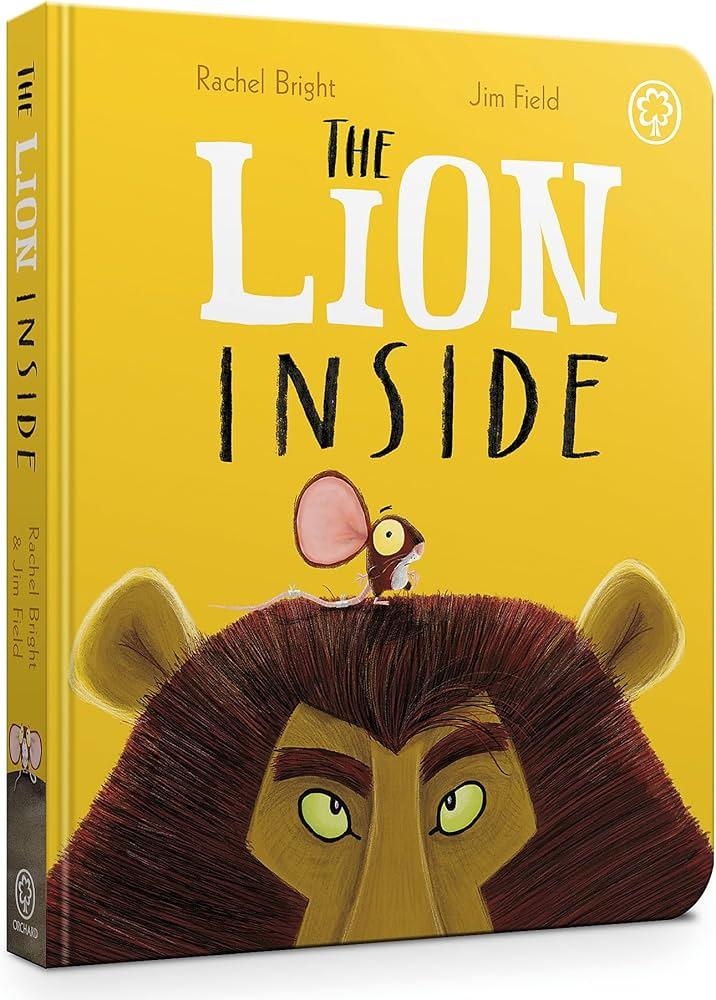
This half term our text in English (and the basis for our topic on Africa), is The Lion Inside by Rachel Bright. We meet a small mouse who is fed up of being ignored by the other animals, Mouse wishes he could roar like Lion. But, as he discovers, even the biggest, bossiest people are scared sometimes ... and even the smallest creatures can have the heart of a lion!
Sequencing the story, orally retelling and planning to re-write the story!


Look at Year 2's beautiful writing!


writing


Take a look at our work for this half term


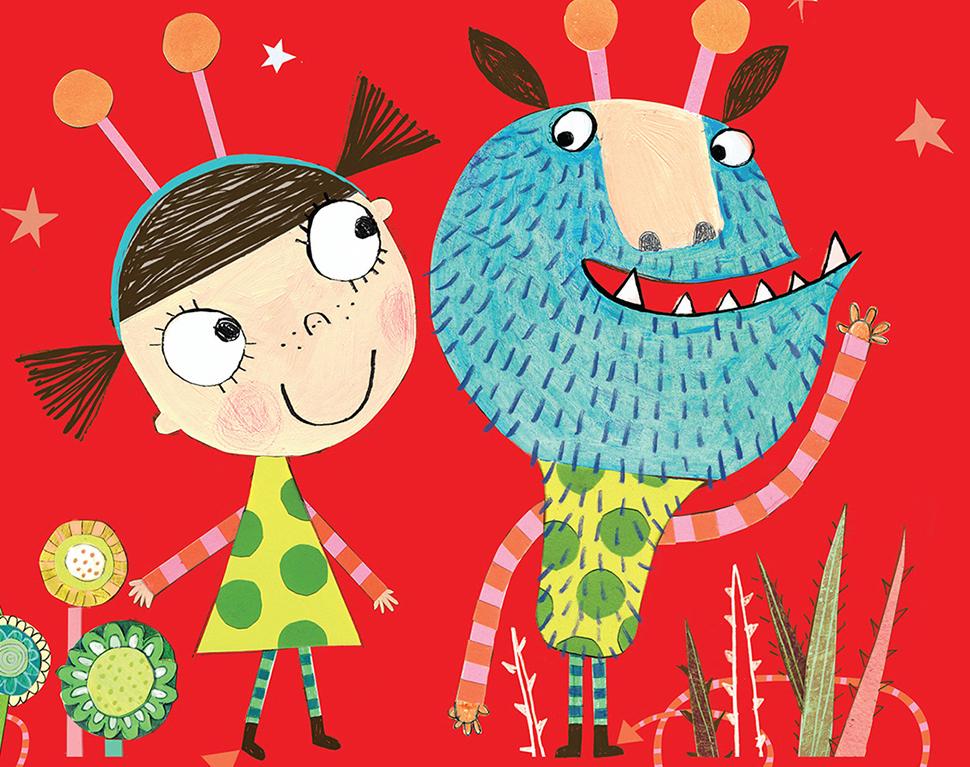
In Year 2, children have been developing their writing through the engaging text Troll Swap using the Pathways to Write scheme. Throughout the unit, the children worked towards clear Mastery Keys, which were used as focused writing targets. These included using capital letters and full stops accurately, writing expanded noun phrases to describe characters and settings, and joining ideas using coordination and subordination, such as and and because. The children began by generating descriptive vocabulary and creating their own trolls before progressing to instructions, character descriptions, letters and story writing. Visual prompts, oral rehearsal and sentence scaffolds supported all learners to organise and communicate their ideas. Their final independent pieces demonstrate growing confidence, stamina and creativity, with children increasingly applying the taught skills to create imaginative descriptions and sequence events clearly. Teacher marking and feedback show how misconceptions were identified and addressed, while also celebrating the children’s successful use of the Mastery Keys.


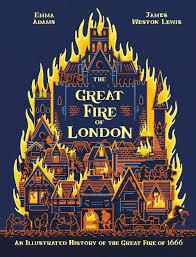
In Year 2, children developed their historical writing through creating an informative fact book about the Great Fire of London. Using the Pathways to Write approach, pupils worked towards carefully selected Gateway and Mastery Keys, including using coordination with but and or, subordination with because and when, commas in lists, and adding -ly to adjectives to create adverbs. They applied these skills across a range of purposeful tasks, such as describing the job of a gong farmer, writing fire-drill instructions and explaining key facts about how the fire began, spread and was eventually stopped. Children used historical vocabulary and information from sources such as Samuel Pepys’ diary to organise their ideas into clear sections and sentences. Visual prompts and symbol-supported scaffolds enabled all learners to contribute successfully, while more independent writers showed increasing stamina and control over sentence structure. Teacher feedback highlights accurate application of taught grammar, improved punctuation and growing confidence in writing engaging, factual accounts for a real audience.


Year 1 have been reading Lost and Found by Oliver Jeffers. This is a very simple tale of a penguin who arrives unannounced at the front door of 'the boy'. The penguin proceeds to follow the boy around, although he looks very sad. This leads the boy to believe that he is lost, and so he then endeavours to help the penguin. He finally gets him back to Antarctica, to discover he wasn't lost all along ... just lonely.
So far the children have made lists of items they would see and hear at the beach using their phonics, they have thought about how the characters are feeling, written fact files about penguins and packed a case for the penguin and the boy ... who we have called Tom. We have our own lost and found office in the classroom where we have been writing out lots of labels for all the 'lost' animals and different items! We will re-tell the story as well as innovate our own class story!
Look at some of our work from the unit


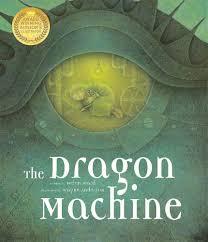
In Year 2, children developed their writing through the imaginative text The Dragon Machine, following the Pathways to Write approach. Across the unit, pupils worked towards carefully chosen Gateway and Mastery Keys, including writing different sentence forms, using question and exclamation marks, maintaining the correct tense and extending ideas through subordination with because and when. The children completed a range of purposeful writing activities, including dragon descriptions, persuasive posters, letters, instructions explaining how to care for a dragon and an extended retelling of the story. Visual prompts, phonics support and sentence scaffolds enabled all pupils to record their ideas successfully, while more independent writers demonstrated increasing stamina and creativity. Their writing shows growing confidence in selecting interesting vocabulary, sequencing events and applying taught grammar accurately. Teacher feedback and editing opportunities helped children identify misconceptions, improve spelling and punctuation, and recognise where they had successfully met their individual writing targets.


In Year 2, children developed their writing through the thought-provoking text Major Glad, Major Dizzy, using the Pathways to Write approach. Across the unit, pupils revisited and applied previously taught Gateway and Mastery Keys, helping them to build secure “sticky knowledge” over time. These included writing expanded noun phrases, using subordination with because and when, applying present and past tense consistently, and using capital letters, full stops, question marks and exclamation marks accurately. The children completed a range of purposeful writing tasks, including descriptions of treasured toys, explanations and an extended diary entry written from the perspective of the characters. Their final pieces show growing stamina, imagination and awareness of the reader, with pupils sequencing events, describing feelings and using vocabulary linked to wartime experiences. Visual prompts, phonics support and sentence scaffolds enabled all children to access the learning, while teacher feedback and editing opportunities supported them to correct spellings, improve sentence structure and apply their individual writing targets more independently.


In Year 2, children developed their writing through the environmentally themed text The Last Wolf, following the Pathways to Write approach. Across the unit, pupils worked towards carefully selected Gateway and Mastery Keys, including using subordination with if and that, applying apostrophes in contracted forms, adding -er and -est to adjectives, and using homophones and near-homophones accurately. The children completed a wide range of purposeful writing tasks, including commands for Little Red, directions, diary entries, character thoughts and feelings, descriptions and persuasive speeches about protecting endangered animals. These activities encouraged pupils to write for different purposes and audiences while also exploring important themes such as habitat loss, conservation and caring for wildlife. Their writing shows growing confidence in organising ideas, selecting effective vocabulary and varying sentence forms. Visual prompts, oral rehearsal and targeted scaffolds supported all learners, while teacher feedback and editing opportunities helped pupils correct misconceptions and apply their individual writing targets with increasing independence.


In Year 2, children developed their writing through the environmentally themed text The Last Wolf, following the Pathways to Write approach. Throughout the unit, pupils worked towards carefully selected Gateway and Mastery Keys, including using subordination with if and that, applying apostrophes accurately in contracted forms, adding -er and -est to adjectives, and distinguishing between homophones and near-homophones. The children completed a wide range of purposeful writing tasks, including diary entries, commands for Little Red, directions, character thoughts and feelings, descriptive writing and persuasive speeches about endangered animals. These activities enabled pupils to write for different purposes and audiences while exploring important themes such as habitat loss, conservation and caring for wildlife. Their work demonstrates increasing confidence in organising ideas, selecting effective vocabulary and using a wider range of sentence structures. Visual prompts, oral rehearsal and targeted scaffolds supported all learners, while teacher feedback and editing opportunities helped children correct misconceptions and apply their individual writing targets with growing independence.
writing


Writing across Butlers Hill


writing


Writing at Butler's Hill
Handwriting
At Butler’s Hill we follow the Achieving Excellence in Handwriting programme for the teaching of handwriting throughout school. This follows a teaching sequence of letters, the use of line guided paper and clear consistent terminology.
The approach progresses through the school with an emphasis being placed on the use of consistent language. Specific handwriting displays in each classroom will reflect the consistency of language and approach used throughout school. Handwriting will be carefully modelled by their teacher using the classroom visualiser and children have specifically designed writing books to apply this. Where appropriate these line guides are used across all subjects including phonics.
National Handwriting Association
Key Stage 1 Knowledge Organisers - 2024
KS1 Genre knowledge organisers
- Butlers Hill KS1 adventure stories knowledge organiser.pdfPDF File
- Butlers Hill KS1 diary entries knowledge organiser.pdfPDF File
- Butlers Hill KS1 instructions knowledge organiser.pdfPDF File
- Butlers Hill KS1 non chronological report knowledge organiser.pdfPDF File
- Butlers Hill KS1 playscripts knowledge organiser.pdfPDF File
- Butlers Hill KS1 traditional stories knowledge organiser.pdfPDF File


